Skip to content
Commercial laundry facility
Complete Guide

Commercial Laundry Water Recycling Australia 2026 | Complete Guide

November 5, 2025
15 min read
Hotels · Hospitals · Aged Care
TL;DR

Commercial laundry water recycling delivers 45–65% water savings using multi-stage disc filtration technology. Best systems achieve 6–24 month payback periods with minimal maintenance. Ideal for facilities processing 20–25+ tonnes per week. Filtration produces high-quality water that meets Australian standards for healthcare, hospitality, and industrial laundry reuse.

45–65%
Typical water savings
Blue Ocean
Wientjens flagship system
6–24mo
Typical payback period
20–25T+
Min. volume for ROI

Australian complete guide summary

Key facts at a glance

This guide explains commercial laundry water recycling in Australia, including how Wientjens Blue Ocean systems filter and reuse laundry wastewater while recovering heat for lower utility costs.

It is written for Australian hotels, hospitals, aged care laundries, textile rental plants and industrial laundries evaluating water reuse, ROI, installation, maintenance, rebates and compliance.

  • Service area: Australia, including Melbourne, Sydney, Brisbane, Perth, Adelaide and regional facilities.
  • Main technology: Wientjens Blue Ocean disc filtration, heat recovery and Cloud monitoring.
  • Typical results: 45-65% water savings, around 15% gas reduction and 6-24 month typical payback.
  • Guide coverage: technology, system types, ROI, installation, maintenance, rebates, standards and system selection.

Commercial laundries in Australia face mounting pressure to reduce operating costs while meeting increasingly strict environmental regulations. Water recycling technology has emerged as the most effective solution, delivering 45–65% water savings, around 15% gas savings, and payback periods as short as 6 months.

This comprehensive guide covers everything you need to know about commercial laundry water recycling in Australia — from how the technology works to installation, maintenance, ROI calculations, government rebates, and regulatory compliance.

Section 01

What is Commercial Laundry Water Recycling?

Commercial laundry water recycling is an advanced filtration and treatment process that captures, cleans, and reuses water from washing machine rinse cycles. The technology removes lint, detergent residues, dirt particles, and contaminants, producing clean water suitable for reuse in subsequent wash cycles.

The Basic Principle

Modern washing machines use a multi-stage wash process. The initial wash cycles use the most water but also introduce the most contamination. The final rinse cycles use clean water but don't become heavily contaminated. Water recycling systems capture the water from the washing machines, filter it to remove all contaminants, and store it for reuse in the next machine's wash stages.

Who Benefits Most?

High-Volume Facilities:

  • Hotels processing 3+ tonnes/day
  • Hospitals with on-site laundries
  • Aged care facilities
  • Textile rental companies
  • Industrial laundries (20+ t/week)

Cost/Regulation Pressures:

  • High water/sewer costs
  • Water restrictions or scarcity
  • Trade waste discharge limits
  • Sustainability commitments
  • Green certifications

Section 02

How Does the Technology Work?

Modern water recycling systems use a multi-stage filtration process to produce water suitable for reuse in the laundry. Here's the complete process breakdown:

5-Step Process Flow

01

Wash Water

Wash cycle water exits tunnel washer or water extractors

02

Disc Filtration

Advanced disc filtration removes particles and contaminants

03

Heat Recovery

Thermal energy in the filtered water captured and reused

04

Clean Water Return

Filtered warm water returns to washing process at higher temperature

05

Cloud Monitoring

Continuous performance tracking and predictive maintenance alerts

Water Quality Standards

The multi-stage filtration process produces water quality that meets or exceeds Australian standards for commercial laundry reuse. Regular testing ensures consistent quality and washing performance.

Section 03

Wientjens Water Recycling Systems

We partner with Wientjens, a leading European manufacturer of commercial laundry water recycling technology. Their modular systems are designed for every size commercial laundry, from compact operations to large-scale industrial facilities. All systems easily retrofit to existing washing machines without equipment replacement.

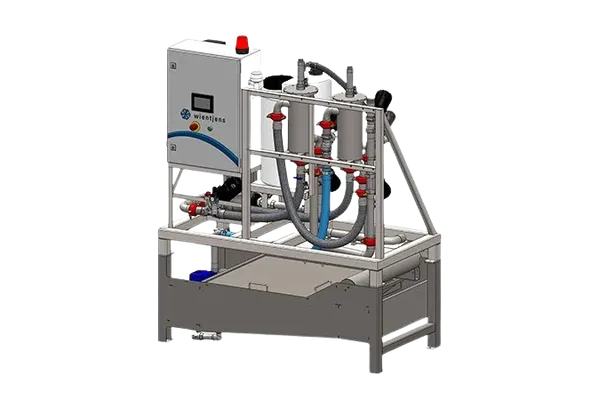
Blue Ocean

Complete All-in-One System
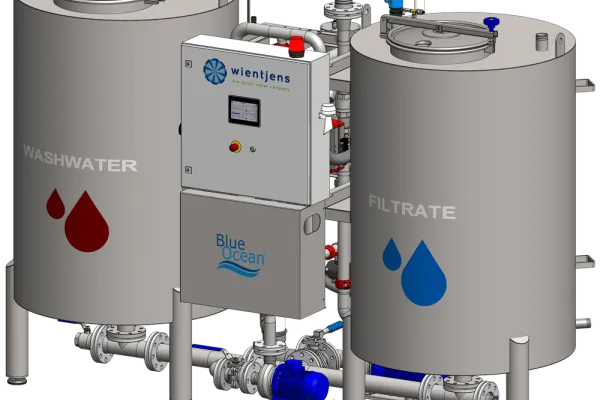
Wientjens Blue Ocean water recycling system
  • Capacity: Recycles up to 15 m³/hour
  • System: Complete water & energy recycling
  • Features: Integrated buffer tanks, handles fluctuations
  • Installation: Easily adds to existing equipment

Best for: Hotels, hospitals, industrial laundries processing 10T a day

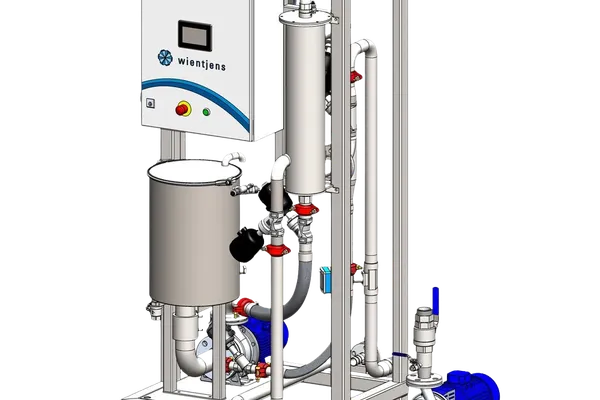
Blue Ocean Compact

Entry-Level Complete System
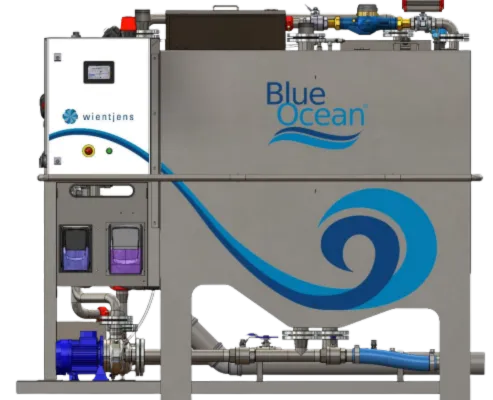
Blue Ocean Compact water recycling system
  • Capacity: Recycles 5 m³/hour (5KL/hour)
  • Volume: Ideal for 20–25 tonnes/week facilities
  • Design: Compact footprint for smaller operations
  • Features: Full water & energy recycling capability

Best for: Boutique hotels, small aged care facilities, regional laundries processing 3–5T a day

AquaMiser

Compact Recycling System

AquaMiser water recycling system
  • Capacity: Up to 12 m³/hour
  • Design: Compact, space-saving footprint
  • Installation: Easy retrofit to existing equipment
  • Benefit: Affordable, fast performance upgrade

Best for: Mid-size operations, aged care facilities, boutique hotels

AquaBatch 3

Batch Wash Water Recycler

AquaBatch 3 water recycling system
  • Capacity: Up to 17 m³/hour
  • Retrofit: Adds to pre-wash, main wash, or rinse zones
  • Filtration: Removes particles, fibers, and hairs
  • Result: Improves wash quality

Best for: Batch washer operations, textile rental, industrial laundries

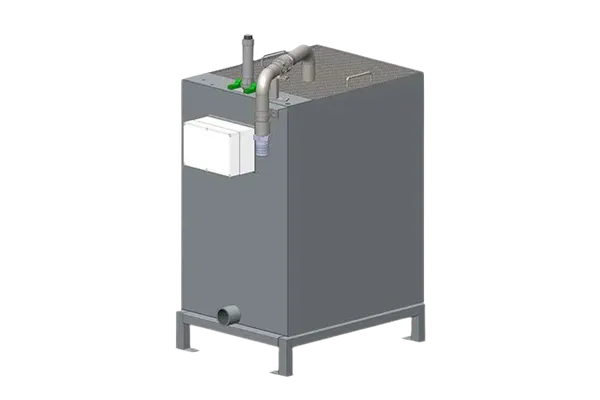
AquaDrain

Backflush Water Filter

  • Function: Captures solid waste from the filtering cycle
  • Benefit: Prevents clogged pipes
  • Impact: Lowers CODs, BODs, suspended solids and microplastics in discharge water
  • Installation: Integrates with existing drainage systems

Best for: All Wientjens filtering systems

AquaDrain water filtration system

Not Sure Which System is Right for You?

Our team will conduct a free water audit of your facility and recommend the optimal Wientjens system based on your laundry volume, space constraints, water quality requirements, and budget. Each system is custom-configured to maximize your water savings and ROI.

Section 04

ROI & Payback Period Calculations

Understanding your return on investment is crucial for making an informed decision about water recycling. Most commercial laundries see payback periods of 6–24 months depending on facility size and water usage.

ROI Calculation Factors

Water & Sewer Savings

  • 45–65% reduction in water consumption
  • Equal reduction in trade waste discharge
  • Actual savings confirmed at your free audit

Energy Savings

  • Around 15% gas savings from heat recovery
  • Recycled water retains heat

Chemical Savings

  • Reduced detergent requirements
  • Lower softening chemical needs
  • 10–15% typical chemical savings

System Costs

  • Equipment sized to your facility
  • Professional installation
  • Low ongoing maintenance
  • Full pricing provided in your proposal

Request a Custom ROI Analysis

Every facility is unique. We provide detailed, facility-specific ROI calculations based on your actual water usage, utility rates, and operational patterns. This ensures you have accurate payback projections before making any investment.

Section 05

Installation Process & Timeline

Professional installation typically takes 5–10 business days from start to finish. Most facilities continue normal operations during installation, with work scheduled during off-peak hours to minimize disruption.

01

Site Assessment & Design (1–2 weeks)

Our engineers visit your facility to assess water usage, available space, existing equipment, and utility connections. We then design a custom system optimized for your operations.

Includes: Water audit, space planning, equipment sizing, utility capacity review

02

Equipment Delivery & Preparation (3–5 days)

Equipment arrives on-site and is staged for installation. Our team prepares the installation area, including any required electrical or plumbing modifications.

Includes: Equipment inspection, site preparation, utility upgrades if needed

03

System Installation (2–4 days)

Physical installation of tanks, filters, pumps, and control systems. Plumbing connections are made to washing machines and existing water supply. Electrical connections completed by certified electricians.

Work includes: Equipment mounting, piping installation, electrical connections, control system setup

04

Commissioning & Training (1–2 days)

System startup, testing, and optimization. Your staff receives comprehensive training on operation, monitoring, and basic maintenance procedures.

Includes: System testing, water quality verification, staff training, 30-day monitoring period

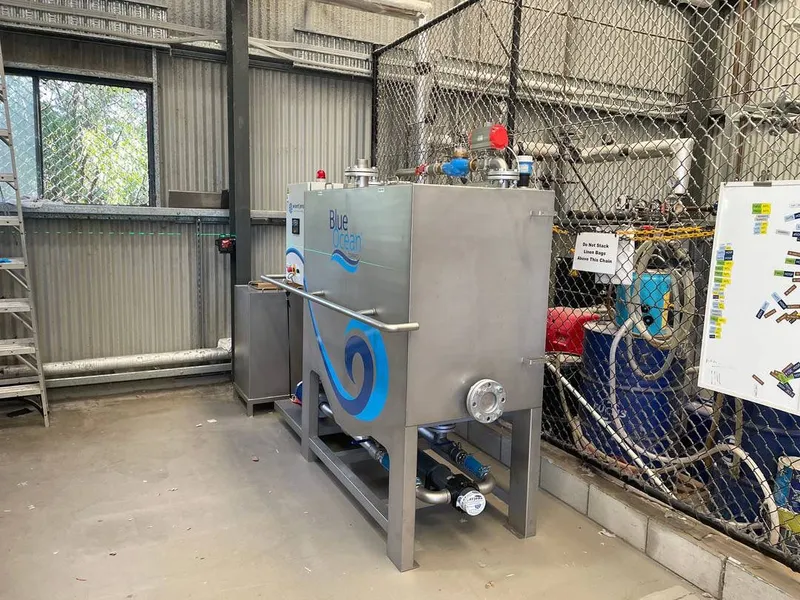
Recent Installation

Blue Ocean Compact & AquaDrain in Action

Installed in a high-volume commercial facility processing 50+ tonnes weekly. Complete setup in just 3 days with minimal space requirements.

Blue Ocean Compact water recycling system installed in high-volume commercial laundry facility
Operational

Section 06

Maintenance Requirements

Modern water recycling systems are designed for minimal maintenance. Proper upkeep ensures optimal performance, maximizes water savings, and extends system lifespan to 15–20 years.

Annual Maintenance Costs

Ongoing maintenance is modest and typically represents only a small share of annual savings, which keeps water recycling cost-effective over the system's 15–20 year lifespan. Exact servicing costs are confirmed in your proposal.

Section 07

Government Rebates & Incentives

Various government incentive programs may be available to help reduce the upfront cost of water recycling systems. These programs vary by state and change regularly.

Our Partners Help You Find Available Rebates

Our installation partners will identify what rebates and incentives are currently available in your area during the site assessment.

Section 08

How to Select the Right System

Get a Professional Assessment

Every facility is unique. We provide free on-site assessments to recommend the right system configuration for your specific needs, aiming for strong water savings and a fast payback.

Site Visit
Comprehensive facility assessment
Custom Design
System sized for your operations
ROI Analysis
Detailed financial projections

Ready to Calculate Your Savings?

Get a free ROI analysis and custom water recycling proposal for your facility.

FAQ

Frequently Asked Questions

What ROI and savings can Australian commercial laundries expect from water recycling?

Australian commercial laundries typically see strong returns from water recycling, with payback periods of roughly 6 to 24 months depending on facility size, water use and local water rates. Savings come from three areas: 45 to 65 percent less water and trade waste discharge, around 15 percent gas savings from heat recovery, and 10 to 15 percent lower chemical use. Australian water is expensive and rates keep rising, which shortens payback over time. Sydney Water, for example, charges about $3.12/kL, rising toward $3.78/kL under the IPART 2025-30 determination, with a $3.61/kL drought rate. Rates vary by state utility and are confirmed at audit. Higher-volume, multi-shift facilities generally see the shortest payback. State water-efficiency and energy-upgrade programs, such as Victorian Energy Upgrades (VEECs), can reduce upfront costs. Request a free audit for a facility-specific estimate.

How does Australian water recycling ROI compare with other countries?

Water recycling delivers similar benefits across markets, and Australian laundries are well placed because local water is expensive and rates are rising. Typical outcomes are comparable internationally: 45 to 65 percent water savings, around 15 percent gas savings from heat recovery, and payback of roughly 6 to 24 months depending on facility size, utility rates and how many shifts a site runs. Australia has some specific advantages. Water costs are high and increasing, so savings compound over time. State water-efficiency and energy-upgrade programs, such as Victorian Energy Upgrades (VEECs), can lower upfront costs. There is also an established installation and service network across the major capital cities, and systems meet Australian standards including AS/NZS 4146. Exact rates and payback vary by state utility and facility, and are confirmed during a free site audit rather than quoted as fixed figures here.

What Australian certifications and standards do water recycling systems comply with?

Wientjens water recycling systems are designed to comply with the Australian standards that apply to commercial laundries. Key standards include AS/NZS 4146 (laundry practice for industrial laundries processing textiles for health, aged care and similar facilities) and AS/NZS 3500 plumbing requirements, supported by the WaterMark certification scheme. Systems are configured to meet state trade waste and discharge requirements set by the relevant water authority in each state. Design features that support compliance include multi-stage disc filtration to remove particulates and contaminants, a fresh water final rinse, automated monitoring of pH, conductivity and turbidity, and automatic bypass to fresh water if any parameter moves outside safe limits. Recycling can also support environmental and green building goals, such as NABERS water ratings and Green Star. Your installer confirms the specific standards and approvals that apply to your facility during the site assessment.

Which Australian facilities benefit most from commercial laundry water recycling?

Water recycling delivers the strongest returns for laundries that process high volumes, because more throughput means more water, energy and chemical savings. The best fit includes hotels and resorts, hospitals and private healthcare groups with on-site laundries, aged care providers with centralised laundry, and industrial and textile rental operations. As a general guide, facilities processing around 20 to 25 tonnes a week or more tend to see payback within roughly 6 to 24 months, and multi-shift operations recover their investment soonest because the system is used more intensively. High local water costs, trade waste discharge limits, and sustainability or ESG commitments (including NABERS and Green Star targets) all improve the business case. Australian water rates are high and rising, which increases savings over time. The simplest way to know whether your facility is a good fit is to request a free on-site audit.

How long does installation take and will it disrupt Australian commercial laundry operations?

Professional installation in Australia usually takes about 5 to 10 business days from site assessment to commissioning, and most facilities keep operating normally throughout. The process starts with a site assessment covering the water audit, space planning, equipment sizing and utility review, followed by a custom system design. Equipment is then delivered and the installation area prepared, including any electrical or plumbing changes. Physical installation of tanks, filters, pumps and controls, plus plumbing and electrical connections by licensed tradespeople, typically takes a few days and is scheduled during off-peak hours where possible to limit disruption. The system is then commissioned and tested, staff are trained, and a monitoring period follows. Systems work with all major commercial washing machine brands and need no changes to the machines themselves. Automatic bypass to fresh water keeps the laundry running during installation and any later maintenance.

What maintenance is required for Australian water recycling systems and what does it cost?

Water recycling systems are designed for low maintenance. Filters are typically changed every 3 to 6 months depending on volume, usually during scheduled off-hours, and the system receives periodic professional servicing that covers inspection, sensor calibration and performance checks, with an annual review. Maintenance generally represents only a small share of the water and energy savings, and costs are confirmed as part of your proposal rather than fixed here. Cloud monitoring tracks flow, pressure, pH, conductivity and turbidity around the clock, sends alerts before parameters drift, and supports predictive filter changes and remote diagnostics, so many issues are resolved without a site visit. Monthly performance reports help with ESG reporting. Equipment is covered by a comprehensive warranty, with longer cover on major components. Systems are highly reliable, and automatic bypass to fresh water means the laundry keeps running during any service. Our partners typically respond within one business day.

Are there government rebates available for water recycling in Australia?

Yes, various government rebate and incentive programs are available across Australia to help reduce the upfront cost of water recycling systems. These programs vary by state and change regularly. Our local installation partners stay current with all available rebates and will work with you during the site assessment to identify what rebates and incentives are currently available in your area. They handle the application process and ensure you maximize your rebate eligibility, which can significantly reduce your capital investment and improve your ROI timeline.

Is recycled water safe for Australian healthcare, hospitality, and aged care laundry?

Yes. Wientjens systems are designed to meet Australian safety standards for commercial laundry water reuse. Recycled water is used only in the pre-wash and main wash stages, while fresh water is always used for the final rinse, and thermal disinfection temperatures are maintained regardless of the water source. This approach supports compliance with AS/NZS 4146, which covers laundries processing health and aged care textiles, and with healthcare and aged care infection-control requirements. Multi-stage disc filtration removes particulates and contaminants, and optional UV disinfection is available for extra pathogen control. Water quality is monitored continuously for pH, conductivity and turbidity, with automatic bypass to fresh water if any parameter moves outside safe limits. Hospitals, aged care providers and hotels use recycled water systems of this type, and trade waste discharge quality is generally improved thanks to pre-filtration. Your installer confirms the approvals that apply to your facility.

What is the Blue Ocean water recycling system and which Australian facilities use it?

The Blue Ocean is Wientjens' flagship all-in-one water and energy recycling system, built for high-volume commercial laundries. It recycles up to about 15 cubic metres per hour and suits sites processing roughly 70 to 100 tonnes a week or more. It combines disc filtration, integrated buffer tanks to handle multi-shift demand, heat recovery for around 15 percent gas savings, and cloud monitoring for performance tracking and predictive maintenance. The Blue Ocean Compact offers the same technology in a smaller footprint, recycling about 5 cubic metres per hour, which suits facilities processing roughly 20 to 50 tonnes a week, such as boutique hotels, smaller aged care sites and regional laundries. These systems typically deliver 45 to 65 percent water savings, around 15 percent gas savings and 10 to 15 percent chemical savings. They retrofit to existing washing machines, and automatic bypass avoids operational downtime.

Ready to Cut Water Use by 45–65%?

Get a free water audit and see exactly how much your facility can save.

No obligation, no cost. Our engineers assess your facility and provide a detailed ROI report.

Powered by Wientjens 🇳🇱

DUTCH ENGINEERING EXCELLENCE

Official Blue Ocean technology partner for Australia, New Zealand, Singapore, Thailand & Southeast Asia. Trusted by commercial laundries worldwide for proven water and energy recycling solutions.