Water recycling can help New Zealand commercial laundries reduce utility use while keeping their wash programme working for the linen they process. Cut water use by 45–65% and gas use by around 15%; for laundries processing 100 tonnes/week, payback can be as fast as 6 months.
This guide covers how the technology works, model selection, installation, maintenance and savings. Use our NZ recycling-process guide, installation guide and cost guide for the next step in your assessment.
Table of Contents
- 1. What is Commercial Laundry Water Recycling?
- 2. How Does the Technology Work?
- 3. Key Benefits & Cost Savings
- 4. Types of Water Recycling Systems
- 5. ROI & Payback Period Calculations
- 6. Installation Process & Timeline
- 7. Maintenance Requirements
- 8. Funding & Incentives
- 9. How to Select the Right System
What is Commercial Laundry Water Recycling?
Commercial laundry water recycling collects suitable wash water, filters suspended solids and returns the warm water to agreed reuse stages. Wientjens Blue Ocean’s process brochure describes filtration of fibres, hairs, dirt particles and other suspended solids.
The Basic Principle
Choose the collection points and reuse stages with your laundry team and provider. Filtration removes suitable suspended solids, while insulated buffers retain warmth and balance wash demand. Fresh water remains available where the wash programme requires it.
Who Benefits Most?
High-Volume Facilities:
- • Hotels with regular laundry demand
- • Hospitals with on-site laundries
- • Aged care facilities
- • Textile rental companies
- • Industrial laundries
Cost/Regulation Pressures:
- • High water/sewer costs
- • Water restrictions or scarcity
- • Trade waste discharge limits
- • Sustainability commitments
- • Environmental reporting requirements
How Does the Technology Work?
These five stages show how suitable wash water can be filtered, kept warm and returned to the laundry. Collection, reuse and monitoring are configured for the selected equipment and site.
5-Step Process Flow
Wash Water
Collect suitable process water from the selected washers
Water Filtration
Filter fibres, hairs, dirt particles and other suspended solids
Keep Water Warm
Insulated buffers retain warmth for the next reuse stage
Water Return
Return filtered warm water to the agreed wash stages
Performance Tracking
Review equipment data and any agreed cloud access or alerts
🔬 Laundry Quality and Hygiene
Choose reuse stages with your laundry and hygiene teams so the wash programme delivers the required linen quality. AS/NZS 4146:2000 remains current in New Zealand. Our NZ regulations guide explains how local supply and discharge requirements fit the assessment.
Wientjens Water Recycling Systems
LaundryWaterSolutions connects commercial laundries with a provider that has a working relationship with Wientjens, the manufacturer of Blue Ocean water recycling equipment. Their modular systems are designed for every size commercial laundry, from compact operations to large-scale industrial facilities. All systems easily retrofit to existing washing machines without equipment replacement.
Blue Ocean
Complete All-in-One System
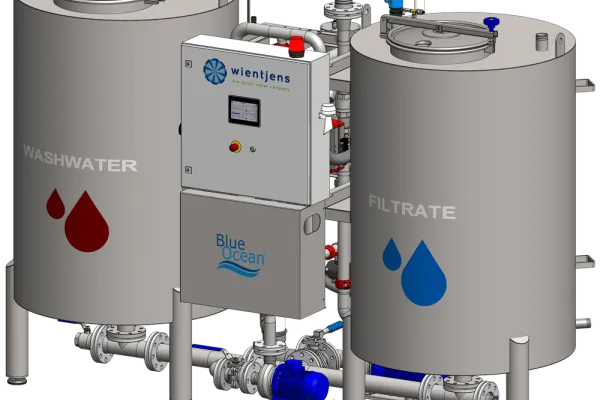
- • Capacity: Recycles up to 15 m³/hour
- • System: Complete water & energy recycling
- • Features: Integrated buffer tanks, handles fluctuations
- • Installation: Easily adds to existing equipment
Best for: Hotels, hospitals, industrial laundries processing 10 T a day
Blue Ocean Compact
Entry-Level Complete System
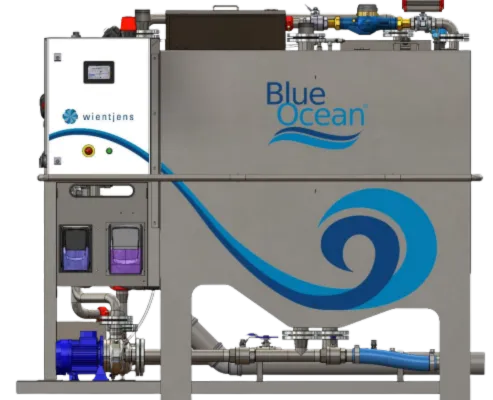
- • Capacity: Recycles 5 m³/hour (5KL/hour)
- • Volume: Ideal for 20-25 tonnes/week facilities
- • Design: Compact footprint for smaller operations
- • Features: Full water & energy recycling capability
Best for: Boutique hotels, small aged care facilities, regional laundries processing 3-5T a day
AquaMiser
Compact Recycling System
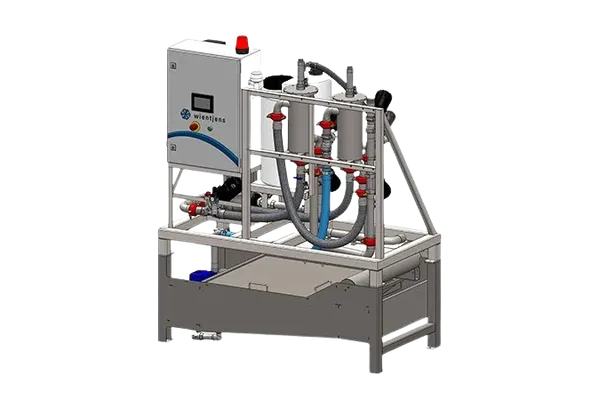
- • Capacity: Up to 12 m³/hour
- • Design: Compact, space-saving footprint
- • Installation: Easy retrofit to existing equipment
- • Benefit: Affordable, fast performance upgrade
Best for: Mid-size operations, aged care facilities, boutique hotels
AquaBatch 3
Batch Wash Water Recycler
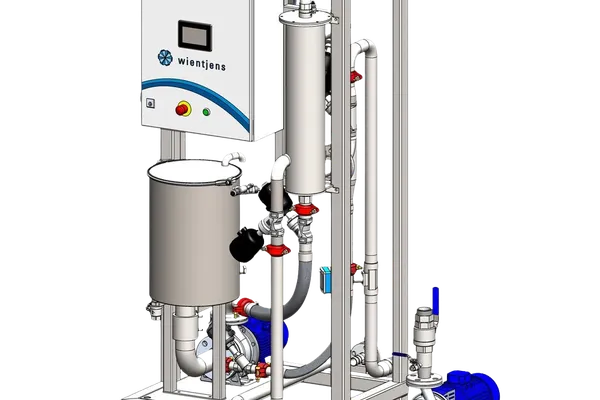
- • Capacity: Up to 17 m³/hour
- • Retrofit: Adds to pre-wash, main wash, or rinse zones
- • Filtration: Removes particles, fibers, and hairs
- • Result: Improves wash quality
Best for: Batch washer operations, textile rental, industrial laundries
AquaDrain
Backflush Water Filter
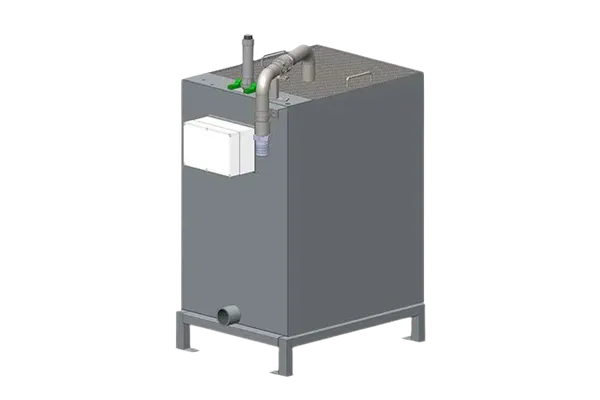
- • Function: It captures solid waste from the filtering cycle
- • Benefit: Prevents clogged pipes
- • Impact: Lowers CODs, BODs, suspended solids and microplastics in discharge water
- • Installation: Integrates with existing drainage systems
Best for: All Wientjens filtering systems
💡 Not Sure Which System is Right for You?
Our team will conduct a free water audit of your facility and recommend the optimal Wientjens system based on your laundry volume, space constraints, water quality requirements, and budget. Each system is custom-configured to maximize your water savings and ROI.
ROI & Payback Period Calculations
For laundries processing 100 tonnes/week, payback can be as fast as 6 months. Assess your return using the full project quotation and net annual savings. Our NZ laundry-cost guide explains how current bills, production records and running costs shape the estimate.
ROI Calculation Factors
Water & Sewer Savings:
- • 45–65% reduction in laundry water use
- • Assess the change in discharge volume separately
- • Use variable charges from your current account
Gas Savings:
- • Around 15% reduction in gas use
- • Reused warm water reduces heating demand
- • Estimate the saving using your gas bill
Running Costs:
- • Allow for pumping and self-cleaning
- • Include planned servicing and consumables
- • Check any effect on chemical use during trials
System Costs:
- • Obtain a quotation for the selected equipment
- • Include connections, commissioning and site works
- • Confirm the ongoing service scope and quotation
💡 Request a Custom ROI Analysis
Request a free assessment of your current water and gas use, utility charges and production. Your partner’s proposal can set out expected net savings and payback for the selected equipment and site.
Installation Process & Timeline
Plan the installation schedule with the provider around equipment delivery, site work and washer connections. Agree any interruption and how the laundry will operate during the changeover. Our NZ installation guide covers the full project sequence.
Site Assessment & Design
The provider reviews your wash process, water flows, available space, washers and utility connections, then proposes equipment and a layout suited to the facility.
Equipment Delivery & Preparation
Agree delivery, access and preparation with the provider and site contractors, including any required plumbing, drainage or electrical work.
System Installation
Install the selected equipment and agreed washer connections. Confirm appropriately authorised plumbing and drainlaying trades and electrical trades for the work involved.
Commissioning & Training
Agree startup checks, water and linen acceptance tests, and operator training with the provider. Confirm how alarms, fresh-water operation and any bypass will work for the selected design.
Blue Ocean Compact Installed by Our Partner
Our partner supplied this photo of a Blue Ocean Compact installation they completed. Your facility’s equipment layout and installation schedule are assessed for its own space, washers and wash demand.
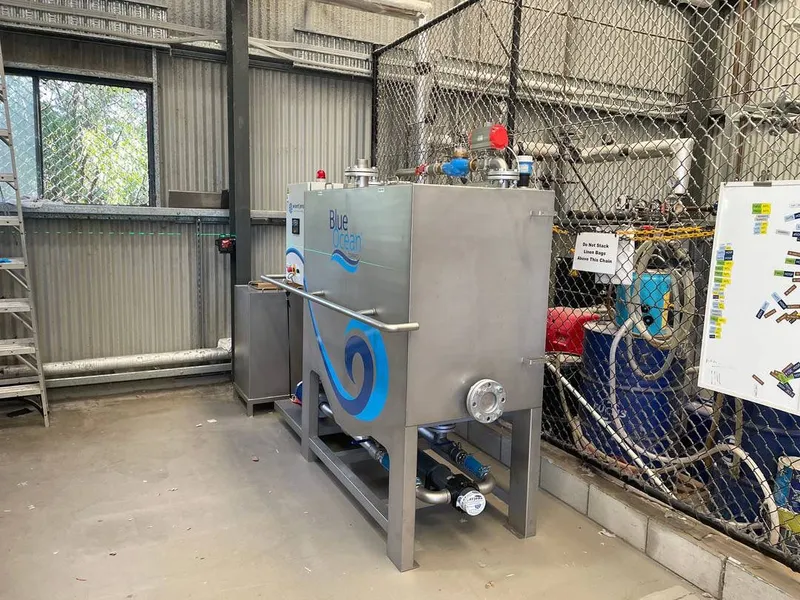
Wientjens Blue Ocean Compact system
Maintenance Requirements
Blue Ocean uses self-cleaning filters and automatic controls. The selected equipment still needs routine attention: agree inspection, cleaning, servicing and replacement-part tasks with the provider.
💡 Plan Your Service Arrangements
Ask the provider to quote the service tasks, intervals, consumables and support included for your installation. Wientjens describes operator training, maintenance prompts and remote support; confirm the access and arrangements in your project proposal.
Funding & Incentives
Check funding against the current programme and your project’s eligibility. EECA’s support for gas users sets out options for advice, audits and business cases. Assess the project on its quoted scope and net savings, then include funding only when its terms are confirmed.
💡 Discuss Funding During Your Assessment
If funding is relevant, ask the programme administrator whether the proposed work qualifies and discuss any conditions with your provider before including it in the savings assessment.
How to Select the Right System
Get a Professional Assessment
Request a free site assessment through LaundryWaterSolutions. We connect you with our partner, who works with Wientjens, to review the equipment fit, expected savings and installation approach for your commercial laundry.
Frequently Asked Questions
What ROI and savings can NZ commercial laundries expect?
How does NZ water recycling ROI work?
What NZ standards and approvals should I check?
Which NZ facilities benefit most from water recycling?
How long does installation take in NZ and will it disrupt operations?
What maintenance is required for NZ water recycling systems?
Is funding available for water recycling in NZ?
How is linen quality assessed when recycling water?
What is Blue Ocean and how is the right model selected?
Ready to Calculate Your Savings?
Get a free ROI analysis and custom water recycling proposal for your facility