
Water recycling can cut laundry water use by 45–65% and gas use by around 15%. For laundries processing 100 tonnes/week, payback can be as fast as 6 months. Start with your laundry’s measured use, eligible wash-water streams and utility charges to see what recycling could save.
This guide covers technology, model selection, costs, installation and local requirements. LaundryWaterSolutions connects commercial laundries with a company that works with Wientjens. For site details, read the Singapore discharge guide alongside your current approval.
Table of Contents
What is Commercial Laundry Water Recycling?
Commercial laundry water recycling collects suitable wash water, filters suspended solids and returns it to agreed wash stages. Reusing warm water also reduces the heat needed for the next wash. The collection and reuse points depend on your textiles, wash recipes and required quality.
The Basic Principle
Wash recipes produce different water streams. Select collection points and reuse stages with the laundry operator, then confirm filtration, storage and water-quality checks for those streams. The Blue Ocean Filter brochure identifies fibres, dirt particles, hairs and other suspended solids as filtration targets. Filtration alone does not establish potable-water quality or disinfection.
Who Benefits Most?
High-Volume Facilities:
- • Hotels with on-site laundries
- • Hospitals with on-site laundries
- • Aged care facilities
- • Textile rental companies
- • Industrial laundries with regular wash loads
Cost/Regulation Pressures:
- • High water/sewer costs
- • Water restrictions or scarcity
- • Trade waste discharge limits
- • Sustainability commitments
- • Green certifications
How Does the Technology Work?
Blue Ocean combines filtration, storage and reuse of warm process water. The diagram below shows the main functions; confirm the selected model’s layout and collection and reuse points with the provider. See Wientjens’ product description and Filter process brochure.
5-Step Process Flow
Wash Water
Collect suitable process water from tunnel washers or washer-extractors
Filtration
Filter suspended solids from the selected wash-water streams
Heat Recovery
Retain and reuse heat in warm process water and insulated buffer tanks
Filtered Water Return
Return filtered warm water to the wash stages agreed for reuse
Cloud Monitoring
Review performance records, alerts and maintenance reminders for the selected setup
🔬 Agree Reuse Quality
Set water and linen-quality acceptance checks for your wash process before routine use. For healthcare loads, review the MOH guidance for the relevant setting with the laundry and infection-control teams. Confirm applicable discharge conditions separately through PUB Written Approval.
Wientjens Water Recycling Systems
LaundryWaterSolutions connects commercial laundries with a company that works with Wientjens. Compare the model’s role, suitable flows and connections with your existing washers. Use the manufacturer’s current specifications and the provider’s site design to select equipment for your workload.
Blue Ocean Filter
Complete All-in-One System
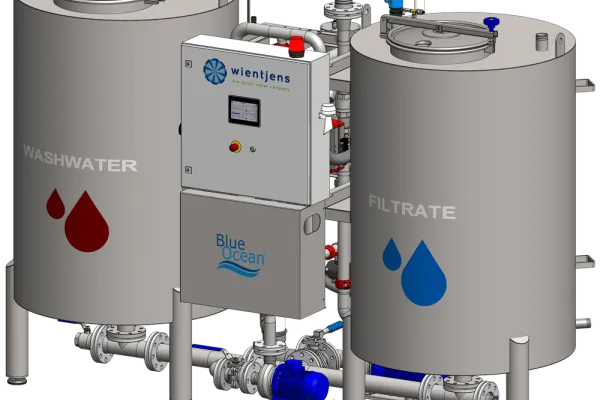
- • Filtration capacity: Brochure specifies up to 15 m³/hour of wash water
- • System: Filtration and reuse of warm process water
- • Features: Insulated buffer tanks for changing wash demand
- • Connections: Review a retrofit with your existing washers
Best for: Larger laundries with suitable collection flows and reuse demand. Filter specifications.
Blue Ocean Compact
For Smaller and On-Site Laundries
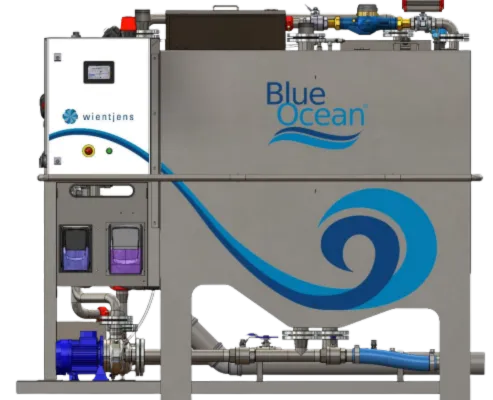
- • Flow: Confirm the selected model against peak collection and reuse demand
- • Application: Smaller laundries and on-premise operations
- • Design: Compact footprint for smaller operations
- • Features: Automatic controls and warm-water reuse
Best for: Space-limited laundries where the selected model fits the workload. Filter and Compact product guide.
AquaMiser
Compact Recycling System
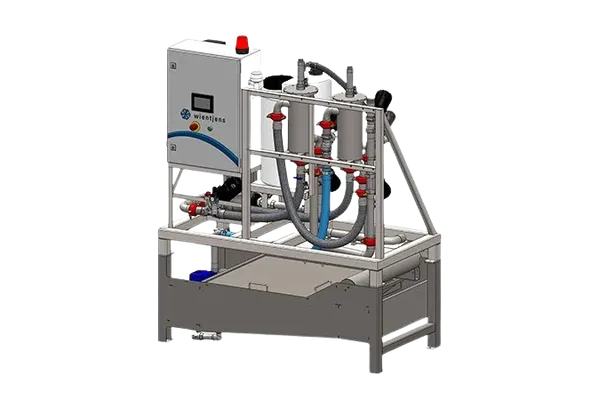
- • Application: Stable workflows with tunnel washers
- • Design: Compact, space-saving footprint
- • Operation: Automatic controls; confirm the proposed connections
- • Benefit: Reuse filtered process water and its heat
Best for: Laundries assessing a compact recycling retrofit. AquaMiser product guide.
AquaBatch 3
Tunnel-Washer Water Filtration
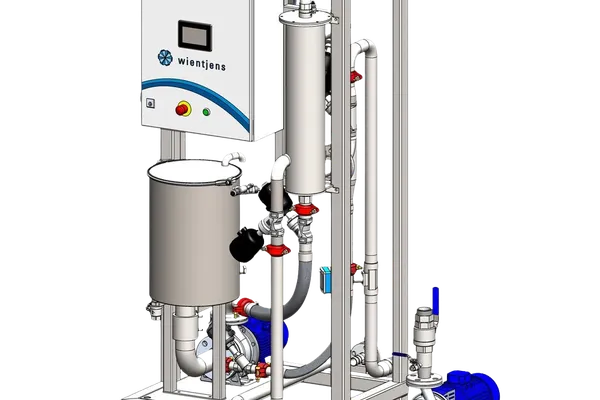
- • Application: Tunnel-washer process-water circulation
- • Connections: Agree the suitable wash zone with the provider
- • Filtration: Removes particles, fibers, and hairs
- • Quality: Assess filtration against your textile requirements
Best for: Tunnel-washer laundries reviewing in-process filtration. Wientjens recycling range.
AquaDrain
Backflush Water Filter
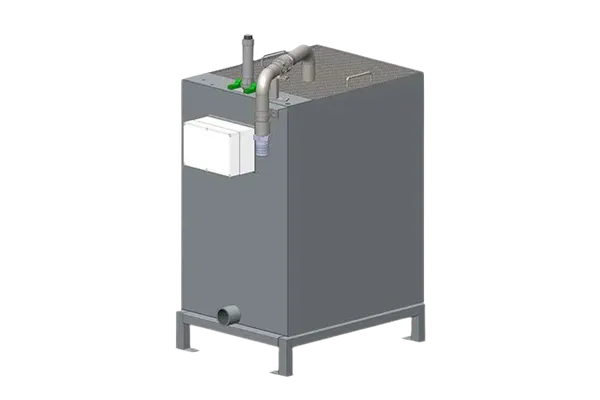
- • Function: It captures solid waste from the filtering cycle
- • Benefit: Helps reduce solid waste reaching drainage pipes
- • Impact: Wientjens describes solids and microplastic capture; test the final discharge against your approval
- • Installation: Integrates with existing drainage systems
Best for: Discharge-solids handling alongside compatible recycling equipment. AquaDrain product guide.
💡 Not Sure Which System is Right for You?
We’ll connect you with our partner for a free assessment of your laundry’s volume, space, wash-water streams and costs. Discuss the model, installation scope and operating requirements directly with the provider.
ROI & Payback Period Calculations
Water recycling can cut laundry water use by 45–65% and gas use by around 15%. For laundries processing 100 tonnes/week, payback can be as fast as 6 months. Assess the return from your laundry’s actual variable costs and the installed scope, rather than room or bed count. Use PUB’s current water price components: Water Tariff, Water Conservation Tax and Waterborne Tax.
ROI Calculation Factors
Water & Sewer Savings:
- • 45–65% reduction in water consumption
- • Check discharge volumes and account-specific charges separately
- • Use laundry meter readings and avoidable variable charges
Gas Savings:
- • Around 15% less gas for the laundry process
- • Recycled water retains heat
- • Calculate the benefit from the relevant laundry gas bill
Added Operating Costs:
- • Electricity, servicing and consumables
- • Water and linen testing appropriate to the site
- • Solids disposal and other recurring costs
System Costs:
- • Obtain a quotation for the selected equipment
- • Include connections, commissioning and site works
- • Include agreed maintenance and service arrangements
💡 Request a Custom ROI Analysis
Net annual savings are the water, gas and any avoidable wastewater savings, less added operating costs. Divide the total installed cost by positive net annual savings to estimate simple payback in years, using a consistent GST basis. Our partner can assess your bills and production records; see the commercial laundry cost guide for more detail.
Installation Process & Timeline
Agree the timeline with the provider from the site design, equipment availability, approvals and access. Plan connections and any shutdown windows around your laundry’s workload. Check PUB’s requirements for changes to approved operations and the Singapore installation guide before scheduling works.
Site Assessment & Design
The provider reviews water use, available space, existing washers and utility connections with your site team. Agree suitable collection and reuse points before finalising the design.
Equipment Delivery & Preparation
Agree delivery access, equipment staging and preparation of the installation area. Confirm the contractor’s scope for any electrical, plumbing or structural works.
System Installation
Physical installation of tanks, filters, pumps, and control systems. Plumbing connections are made to washing machines and existing water supply. Electrical connections completed by certified electricians.
Commissioning & Training
Test the agreed operating settings, water and linen quality, alarms and fresh-water contingency. Train the relevant staff and agree the acceptance evidence and handover responsibilities.
Blue Ocean Compact in Action
This Blue Ocean Compact system was installed by our partner in a working commercial laundry. We’ll connect you with them to explore a setup suited to your laundry’s space, workload and existing washers.
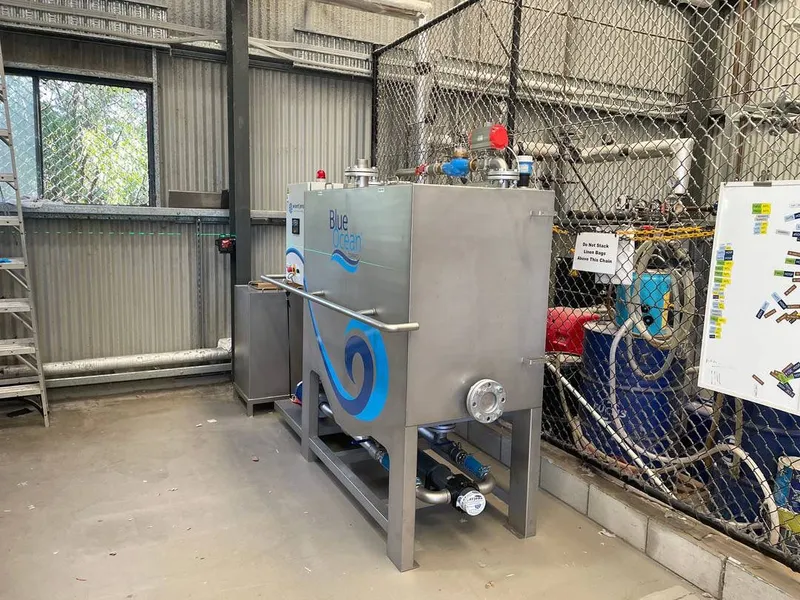
Blue Ocean Compact installation by our partner.
Maintenance Requirements
Use the selected model’s maintenance instructions and the provider’s quotation to plan cleaning, servicing, parts and monitoring. Agree staff responsibilities, alarm responses and fresh-water contingency with the laundry team.
💡 Annual Maintenance Costs
Include electricity, servicing, consumables, solids handling and any required testing in the annual budget. Confirm service coverage, response arrangements and replacement-part costs directly with the provider; use those costs in the net-savings calculation.
Government Rebates & Incentives
PUB’s Water Efficiency Fund criteria, updated 25 May 2026, cover project-specific funding categories and conditions. Check eligibility before committing costs and obtain PUB’s express approval before starting funded work. Include funding in the business case only once the amount and conditions are confirmed.
💡 Funding and Building Recognition
BCA Green Mark assesses building environmental performance. Discuss measured water savings with the building’s project team as part of its assessment. Recycling equipment alone does not establish a rating or certification.
How to Select the Right System
Get a Professional Assessment
We’ll connect you with our partner for a free ROI and site assessment. Review actual water and gas use, suitable reuse streams, plant space and installation costs to find a setup that fits your laundry.
Frequently Asked Questions
What savings can Singapore commercial laundries expect?
Water recycling can cut laundry water use by 45–65% and gas use by around 15%. For laundries processing 100 tonnes/week, payback can be as fast as 6 months. Use your laundry’s measured demand, actual utility bills and suitable reuse streams to assess the dollar savings. Include added electricity, servicing, consumables and testing before calculating net savings.
Which Singapore water charges should a laundry use in its ROI calculation?
PUB’s water price comprises the Water Tariff, Water Conservation Tax and Waterborne Tax. Use the current charges on your account and separate laundry demand from the wider property. Check any trade-effluent charges against the site’s approval and billing arrangements; lower water use does not establish an equal reduction in every wastewater charge. Divide the installed cost by positive net annual savings to calculate simple payback in years, using a consistent GST basis.
Which approvals and standards should a Singapore laundry check?
Trade effluent discharged to the public sewer requires PUB Written Approval and must meet its conditions. Watercourse discharge has separate NEA requirements. Healthcare laundries should review the MOH guidance for their setting with their laundry and infection-control teams. BCA Green Mark assesses the building’s environmental performance; discuss how measured water savings contribute with the building’s project team. Equipment selection does not establish process approval or certification.
Which Singapore commercial facilities should assess water recycling?
Hotels with on-site laundries, healthcare and aged-care laundries, textile rental plants and industrial operators can assess reuse around their actual workloads. Check linen types, wash recipes, peak flows, space and utility costs rather than assuming a minimum weekly tonnage or a result from room or bed count. For outsourced linen, involve the operator that does the washing and agree how any benefit affects the service contract.
What determines the installation timeline in Singapore?
The timeline depends on the selected design, equipment availability, site access, utility connections and approvals. Agree the work sequence and any shutdown windows with the provider and laundry operator. Include process trials, commissioning checks, staff training and fresh-water contingency before routine reuse. Confirm whether proposed process or discharge changes require a new PUB application.
What maintenance and operating costs should a laundry allow for?
Ask for the selected model’s cleaning, servicing, parts and monitoring requirements. Include electricity, consumables, solids disposal and any required water or linen testing in the operating budget. Confirm responsibilities, service coverage and response arrangements in the quotation. Agree alarm escalation, fresh-water contingency and restart procedures with the site team.
Is funding available for Singapore water recycling projects?
Check PUB’s current Water Efficiency Fund criteria before committing costs. Its categories include assessments, pilot studies, recycling and water-efficient equipment, with project-specific eligibility and approval requirements. Funded work can only start after PUB’s express approval. Model the business case before funding, then include support only once its amount and conditions are confirmed.
How should healthcare, hotel and aged-care laundries assess reuse quality?
Agree collection and reuse stages with the laundry operator and relevant hygiene teams. The Blue Ocean Filter brochure identifies fibres, dirt particles, hairs and other suspended solids as filtration targets; it does not establish removal of every dissolved chemical or validated disinfection. Trial representative linen and wash recipes, set acceptance checks and retain the site’s validated hygiene requirements unless a change is approved.
How should a laundry choose between Blue Ocean models?
Match the selected model to collection flows, reuse demand, storage, available space and existing washers. Wientjens describes automatic controls and insulated buffer tanks that retain heat in process water. Check current specifications and the provider’s proposed connections; weekly tonnage alone does not establish hourly filtration capacity. LaundryWaterSolutions connects you with a company that works with Wientjens for a free assessment.
Ready to Calculate Your Savings?
Get a free ROI analysis and custom water recycling proposal for your facility